-
share
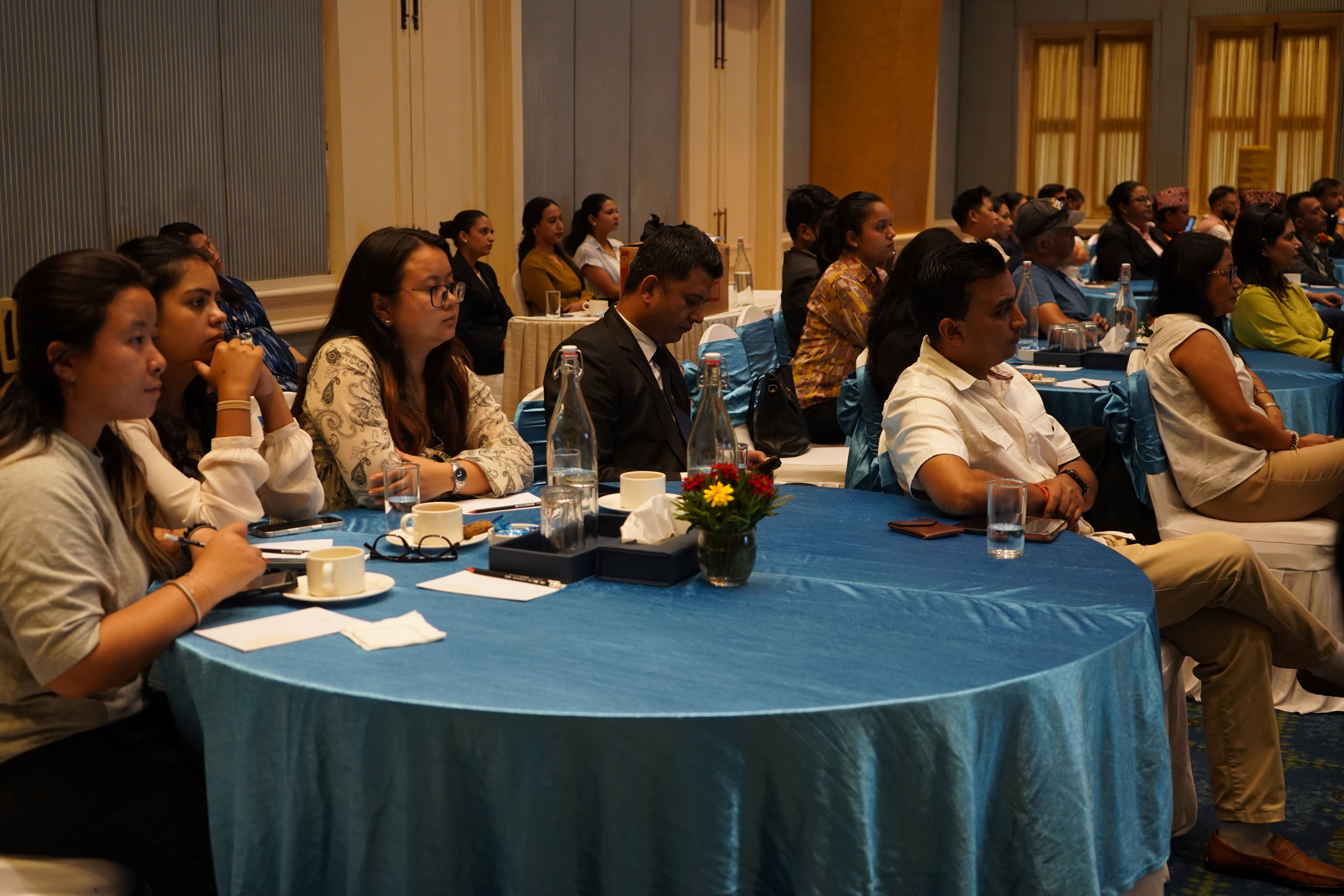
PATA Nepal Chapter, in collaboration with PATA Headquarters, the PATA Foundation and e-Tourism Frontiers, and with Hotel Yak & Yeti as Hospitality Partner, brought together more than 120 tourism stakeholders on Monday, 21 September 2026 for a Human Capital Development workshop titled "Crisis to Recovery: Communication, Coordination and Rebuilding Nepal's Tourism Corridor."
Held at Hotel Yak & Yeti, Durbarmarg, the workshop convened hoteliers, tour operators, national tourism organizations (NTOs), destination marketing organizations (DMOs), destination management companies (DMCs), airlines, content creators, media and other tourism stakeholders to chart a coordinated path forward for Nepal's tourism sector following the 2026 floods.
.jpg)
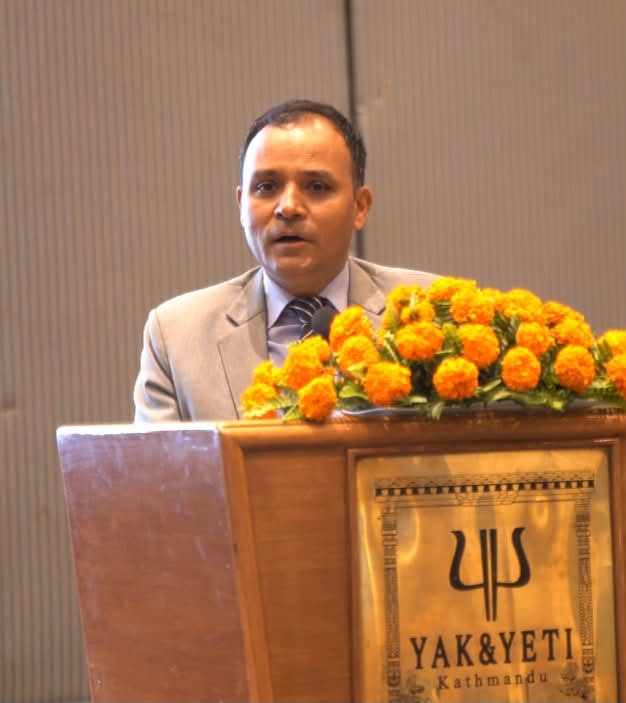
The workshop was formally opened by Mr. Suresh Singh Budal, CEO of PATA Nepal Chapter, who underlined that Human Capital Development remains the Chapter's ongoing mission, in line with the spirit of PATA Headquarters, to build, upgrade and strengthen the people who power Nepal's tourism industry.
Delivering the welcome remarks, Mr. Khem Raj Lakai, Chairman of PATA Nepal Chapter, reflected on PATA's leadership role in supporting Nepal through successive crises over the years. He also shared details of the Chapter's ongoing work to develop a National Level Crisis Management Handbook for Tourism Stakeholders, being prepared in collaboration with the Embassy of Switzerland in Nepal, Kathmandu University School of Management (KUSOM), and public and private sector partners across the tourism industry.
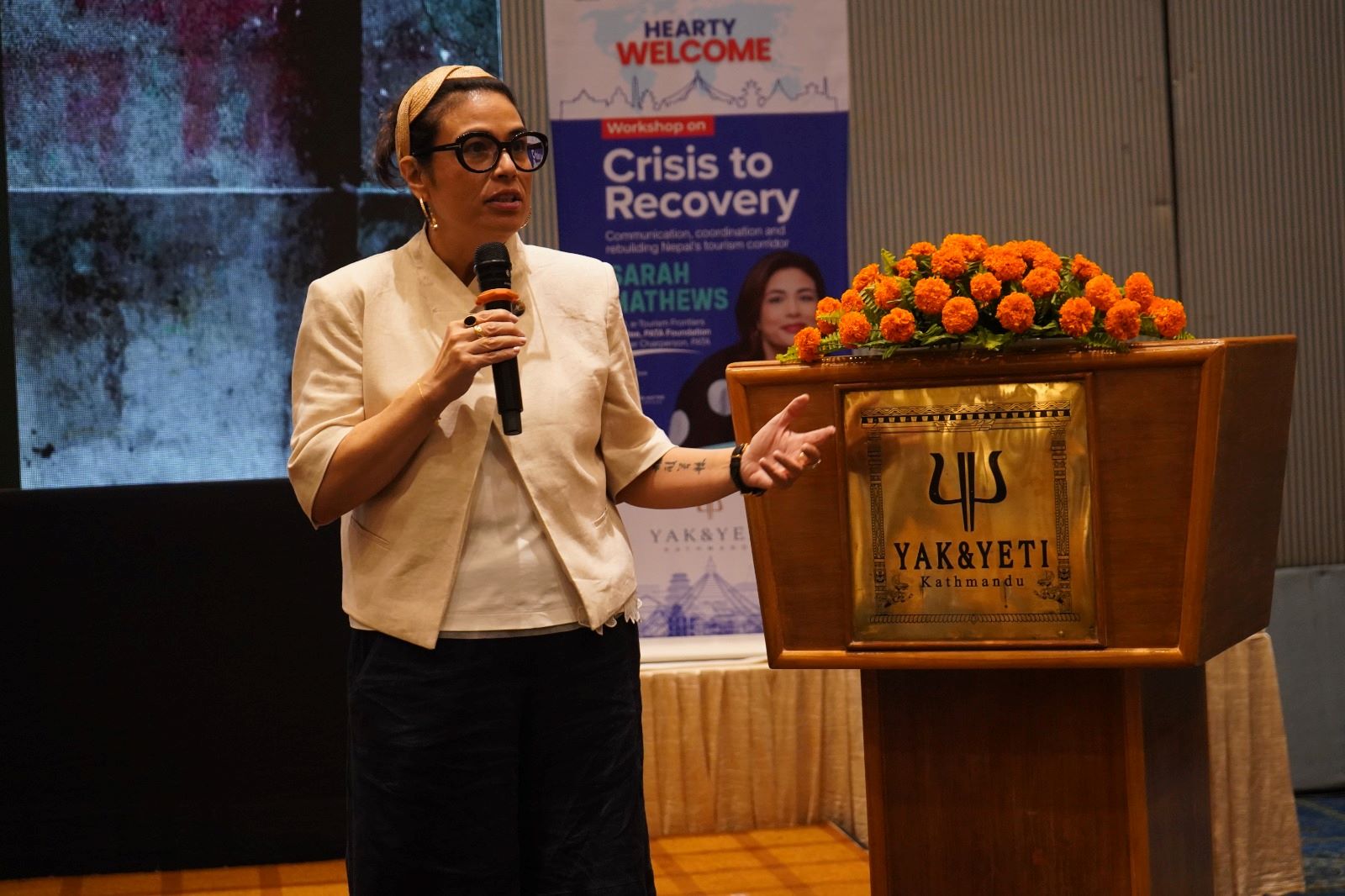
The session was facilitated by Sarah Mathews, CEO of e-Tourism Frontiers, Trustee of the PATA Foundation and Former Chairperson of PATA — a respected international tourism leader who has stood by Nepal through multiple crises, and who travelled from Hong Kong for the workshop. Ms. Mathews recently played an instrumental role in securing the lifting of travel warnings on major OTA platforms, restoring Nepal's visibility and bookability in key source markets. With over 30 years of experience shaping the tourism landscape across Asia Pacific, she has led collaborations with global brands including Tesla, Coca-Cola, Japan Airlines, Singapore Airlines and Warner Music, and has worked with partners such as USAID and the Asian Development Bank.
Session One: Crisis Communication and Content Integrity
Opening the first session, Ms. Mathews presented fresh data from online travel agencies and consumer search behaviour recorded in the weeks following the flood crisis, showing how sentiment, search interest and booking intent for Nepal shifted in real time across major source markets. The data illustrated a central point of the workshop: in a crisis, information moves before anything else, and the picture that forms in the first days travels directly into travel advisories, insurer models and risk-scoring systems.
She guided participants through the fundamentals of crisis communication and content integrity — who holds standing to correct the record, how to deliver the right message at the moment it matters most, and why the Government's declaration at municipality rather than district level is the unit the industry abroad
should be adopting. She also stressed the need to separate audiences clearly: a message written for a source market and one reaching a community still holding funerals are two different pieces of writing.
One Voice: Dos, Don'ts and a Structured System
Ms. Mathews set out a practical plan for the Nepal tourism industry to work together as one voice, sharing clear dos and don'ts for operators, destinations and content creators communicating during and after a crisis. Her recommendations included the adoption of a structured crisis communication system for the industry: a single online toolkit carrying approved wording, approved imagery and current, verified information in one place, supported by a draft standard covering location accuracy, generated imagery, conduct at affected sites and hosted visits.
Session Two: The Recovery Framework and the Nepal Tourism Recovery Fund
In the second session, Ms. Mathews introduced the Recovery Framework — React, Resource, Rebuild, Return — a four-stage approach that continues the work PATA and the PATA Foundation first undertook with Nepal in 2015, updated by e-Tourism Frontiers for the 2026 floods and adopted by the Foundation as the basis of its own response. The framework was offered as an input to the national Tourism Recovery Cycle being prepared by the Ministry, the Department of Tourism and the Nepal Tourism Board; where the two differ, the national framework governs.
The framework recommends two parallel tracks: a National track, keeping the regions that are operating open and trading, and a Corridor track, rebuilding livelihoods in the areas the flood struck. Participants were taken through what each stage requires and what it excludes, where accuracy communication sits as distinct from destination promotion, and which funding instruments fit which stage — sovereign lending, humanitarian relief, philanthropic grants and commercial investment each reach very different people, and none reaches all of them.

Ms. Mathews also briefed participants on PATA Foundation initiatives supporting Nepal's recovery, including the Nepal Tourism Recovery Fund, which is live and receiving donations now, alongside continued marketing initiatives to sustain Nepal's presence in source markets through the recovery period.
" data-image="https://pata.org.np/storage/photos/1/Events & Activities/Crisis to Recovery/6 (1).jpg" data-title="PATA Nepal Chapter Convenes "Crisis to Recovery" Workshop to Strengthen Crisis Communication and Rebuild Nepal's Tourism Corridor"> - increase text
- decrease text
.jpg)
PATA Nepal Chapter, in collaboration with PATA Headquarters, the PATA Foundation and e-Tourism Frontiers, and with Hotel Yak & Yeti as Hospitality Partner, brought together more than 120 tourism stakeholders on Monday, 21 September 2026 for a Human Capital Development workshop titled "Crisis to Recovery: Communication, Coordination and Rebuilding Nepal's Tourism Corridor."
Held at Hotel Yak & Yeti, Durbarmarg, the workshop convened hoteliers, tour operators, national tourism organizations (NTOs), destination marketing organizations (DMOs), destination management companies (DMCs), airlines, content creators, media and other tourism stakeholders to chart a coordinated path forward for Nepal's tourism sector following the 2026 floods.
The workshop was formally opened by Mr. Suresh Singh Budal, CEO of PATA Nepal Chapter, who underlined that Human Capital Development remains the Chapter's ongoing mission, in line with the spirit of PATA Headquarters, to build, upgrade and strengthen the people who power Nepal's tourism industry.
Delivering the welcome remarks, Mr. Khem Raj Lakai, Chairman of PATA Nepal Chapter, reflected on PATA's leadership role in supporting Nepal through successive crises over the years. He also shared details of the Chapter's ongoing work to develop a National Level Crisis Management Handbook for Tourism Stakeholders, being prepared in collaboration with the Embassy of Switzerland in Nepal, Kathmandu University School of Management (KUSOM), and public and private sector partners across the tourism industry.
The session was facilitated by Sarah Mathews, CEO of e-Tourism Frontiers, Trustee of the PATA Foundation and Former Chairperson of PATA — a respected international tourism leader who has stood by Nepal through multiple crises, and who travelled from Hong Kong for the workshop. Ms. Mathews recently played an instrumental role in securing the lifting of travel warnings on major OTA platforms, restoring Nepal's visibility and bookability in key source markets. With over 30 years of experience shaping the tourism landscape across Asia Pacific, she has led collaborations with global brands including Tesla, Coca-Cola, Japan Airlines, Singapore Airlines and Warner Music, and has worked with partners such as USAID and the Asian Development Bank.
Session One: Crisis Communication and Content Integrity
Opening the first session, Ms. Mathews presented fresh data from online travel agencies and consumer search behaviour recorded in the weeks following the flood crisis, showing how sentiment, search interest and booking intent for Nepal shifted in real time across major source markets. The data illustrated a central point of the workshop: in a crisis, information moves before anything else, and the picture that forms in the first days travels directly into travel advisories, insurer models and risk-scoring systems.
She guided participants through the fundamentals of crisis communication and content integrity — who holds standing to correct the record, how to deliver the right message at the moment it matters most, and why the Government's declaration at municipality rather than district level is the unit the industry abroad
should be adopting. She also stressed the need to separate audiences clearly: a message written for a source market and one reaching a community still holding funerals are two different pieces of writing.
One Voice: Dos, Don'ts and a Structured System
Ms. Mathews set out a practical plan for the Nepal tourism industry to work together as one voice, sharing clear dos and don'ts for operators, destinations and content creators communicating during and after a crisis. Her recommendations included the adoption of a structured crisis communication system for the industry: a single online toolkit carrying approved wording, approved imagery and current, verified information in one place, supported by a draft standard covering location accuracy, generated imagery, conduct at affected sites and hosted visits.
Session Two: The Recovery Framework and the Nepal Tourism Recovery Fund
In the second session, Ms. Mathews introduced the Recovery Framework — React, Resource, Rebuild, Return — a four-stage approach that continues the work PATA and the PATA Foundation first undertook with Nepal in 2015, updated by e-Tourism Frontiers for the 2026 floods and adopted by the Foundation as the basis of its own response. The framework was offered as an input to the national Tourism Recovery Cycle being prepared by the Ministry, the Department of Tourism and the Nepal Tourism Board; where the two differ, the national framework governs.
The framework recommends two parallel tracks: a National track, keeping the regions that are operating open and trading, and a Corridor track, rebuilding livelihoods in the areas the flood struck. Participants were taken through what each stage requires and what it excludes, where accuracy communication sits as distinct from destination promotion, and which funding instruments fit which stage — sovereign lending, humanitarian relief, philanthropic grants and commercial investment each reach very different people, and none reaches all of them.
Ms. Mathews also briefed participants on PATA Foundation initiatives supporting Nepal's recovery, including the Nepal Tourism Recovery Fund, which is live and receiving donations now, alongside continued marketing initiatives to sustain Nepal's presence in source markets through the recovery period.